2028 Chevrolet Corvette EV Release Date: A New Era of Electric Performance
Get ready to witness a groundbreaking shift in the automotive world as Chevrolet gears up to release the 2028 Chevrolet Corvette EV. This innovative move marks a significant transition for the iconic Corvette line, embracing electric power and cutting-edge technology.
From its historical roots to the anticipated impact on the industry, the 2028 Corvette EV is set to redefine the standards of performance and sustainability in the world of sports cars.
Overview of the 2028 Chevrolet Corvette EV Release Date
The 2028 Chevrolet Corvette EV Release Date marks a significant milestone in the history of the iconic Corvette line. As one of America’s most beloved sports cars, the Corvette has a rich legacy dating back to its debut in 1953. Over the years, it has evolved into a symbol of American automotive excellence, known for its powerful performance and sleek design.
The transition to an electric vehicle in 2028 represents a bold move for the Corvette, embracing the shift towards sustainable and eco-friendly transportation. By going electric, the Corvette is not only keeping up with the latest automotive trends but also setting a new standard for high-performance electric sports cars.
Significance of the transition to an electric vehicle
- The move to an electric vehicle showcases Chevrolet’s commitment to innovation and sustainability in the automotive industry.
- Electric vehicles are becoming increasingly popular due to their environmental benefits and lower operating costs.
- By introducing an electric Corvette, Chevrolet is catering to a new generation of consumers who value sustainability and cutting-edge technology.
Expected impact on the automotive industry
- The release of the 2028 Chevrolet Corvette EV is expected to create a ripple effect in the automotive industry, influencing other manufacturers to explore electric options for their sports cars.
- It may lead to further advancements in electric vehicle technology, driving innovation and competition in the market.
- Consumers are likely to pay more attention to electric sports cars, shifting the demand towards more sustainable alternatives.
Technical Features of the 2028 Chevrolet Corvette EV

The 2028 Chevrolet Corvette EV is a remarkable fusion of cutting-edge technology and automotive engineering prowess. Let’s delve into the technical features that set this electric powerhouse apart from its predecessors.
Electric Powertrain Specifications
The Corvette EV boasts an impressive electric powertrain that delivers exhilarating performance. It is equipped with a state-of-the-art battery system that provides instant torque and seamless acceleration. The electric motors in the Corvette EV offer a remarkable combination of power and efficiency, propelling this sports car into the future of electric mobility.
Performance Metrics Comparison
When comparing the performance metrics of the Corvette EV to its combustion engine counterparts, the electric version shines in several key areas. The instant torque delivery of the electric powertrain results in lightning-fast acceleration, propelling the Corvette EV from 0 to 60 mph in record time. Additionally, the electric powertrain offers a smoother and more refined driving experience, enhancing both performance and comfort for the driver.
Innovative Technology and Features
The Corvette EV is not just a powerhouse in terms of performance but also a pioneer in innovative technology. One standout feature of the Corvette EV is its regenerative braking system, which harnesses energy during deceleration to recharge the battery. This cutting-edge technology enhances the efficiency of the electric powertrain, extending the driving range of the Corvette EV.
Design and Aesthetics of the 2028 Chevrolet Corvette EV

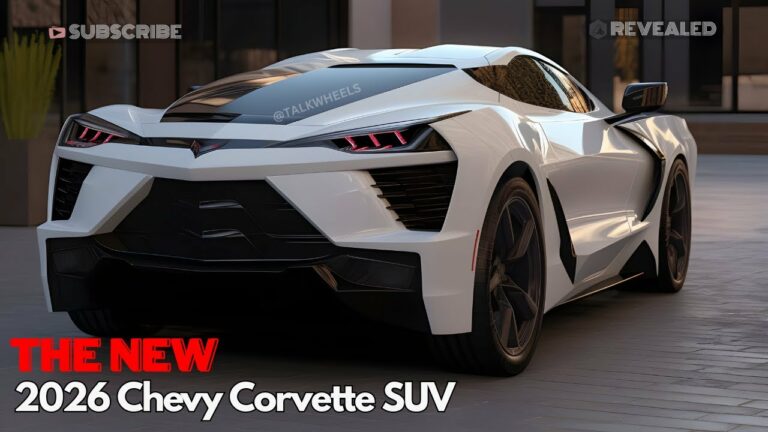
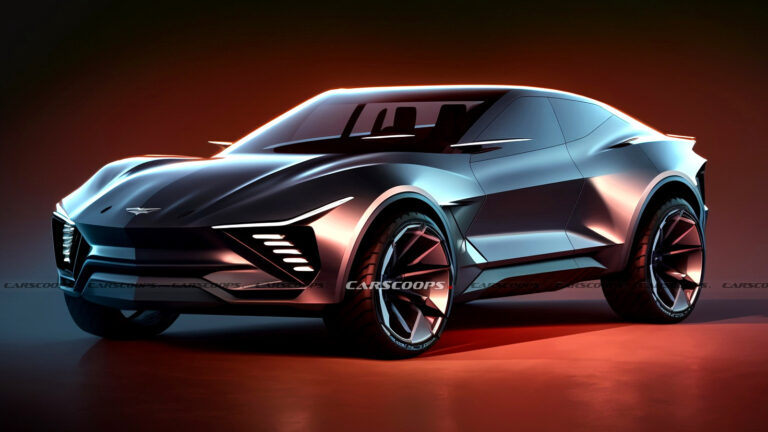
The 2028 Chevrolet Corvette EV brings a futuristic and sleek design to the iconic sports car, blending cutting-edge technology with classic Corvette styling cues. Let’s dive into the design elements that set this electric version apart.
The exterior of the Corvette EV showcases a more aerodynamic profile compared to its gasoline-powered counterpart. With smoother lines, a lower front grille, and a sculpted rear end, the EV version reduces drag and enhances performance. The integration of active aerodynamics, such as adjustable spoilers and air curtains, further improves efficiency and stability at high speeds.
Exterior Design Changes
- The front grille is replaced with a sleek panel that improves airflow and reduces drag.
- LED lighting technology is utilized throughout the exterior, enhancing visibility and modernizing the look.
- Aerodynamically optimized wheels and side skirts contribute to improved efficiency.
Interior Design and Comfort Features
The interior of the Corvette EV is a blend of luxury and performance, providing a comfortable and immersive driving experience. Premium materials, such as leather and carbon fiber accents, adorn the cabin, while advanced technology surrounds the driver.
- The cockpit is driver-focused, with a digital instrument cluster and a large touchscreen infotainment system.
- Comfort features include heated and ventilated seats, dual-zone climate control, and customizable ambient lighting.
- Integration of AI technology allows for personalized driving preferences and assistance during the journey.
Market Positioning and Competition

Chevrolet is entering a competitive electric sports car segment with the release of the 2028 Corvette EV. With key competitors already established in the market, it is crucial for Chevrolet to strategically position the Corvette EV to stand out among its rivals.
Key Competitors in the Electric Sports Car Segment
- Tesla Roadster: Known for its cutting-edge technology and performance, the Tesla Roadster is a formidable competitor in the electric sports car market.
- Porsche Taycan: Porsche’s entry into the electric vehicle space has been well-received, offering a blend of luxury and performance.
- Rimac Concept One: A high-end electric hypercar, the Rimac Concept One sets a high standard in terms of performance and innovation.
Chevrolet’s Positioning Strategy
Chevrolet plans to position the Corvette EV as a more affordable yet equally high-performance option compared to its competitors. By leveraging the Corvette brand’s legacy of speed and power, Chevrolet aims to attract enthusiasts looking for an electric sports car that delivers on both performance and value.
Challenges and Advantages
- Challenges: One of the main challenges for the Corvette EV will be overcoming the established reputation and loyal fan base of competitors like Tesla and Porsche. Additionally, ensuring a robust charging infrastructure and addressing range anxiety could pose challenges for Chevrolet.
- Advantages: The Corvette EV’s competitive pricing and performance capabilities could give it an edge in the market. Chevrolet’s focus on delivering a thrilling driving experience combined with the practicality of an electric vehicle could attract a unique customer base.
FAQ Corner
What is the significance of the 2028 Chevrolet Corvette EV transition to an electric vehicle?
The transition signifies Chevrolet’s commitment to sustainability and innovation, setting a new standard for performance in the sports car market.
What are some unique design features of the 2028 Chevrolet Corvette EV?
The Corvette EV boasts exterior design changes for enhanced aerodynamics, along with cutting-edge interior elements for comfort and luxury.
How does Chevrolet plan to position the Corvette EV in the market against competitors?
Chevrolet aims to position the Corvette EV as a leader in the electric sports car segment, leveraging its performance, design, and brand legacy to stand out among competitors.