2028 Chevrolet Blazer EV Release Date: A Game-Changer in the Electric Vehicle Market
Get ready to witness a revolutionary shift in the electric vehicle market with the upcoming release of the 2028 Chevrolet Blazer EV. As anticipation builds for this cutting-edge vehicle, let’s delve into the key features, design elements, and environmental impact that set this release apart.
Overview of 2028 Chevrolet Blazer EV Release Date

The release date of the 2028 Chevrolet Blazer EV holds paramount importance in the electric vehicle market, marking Chevrolet’s foray into the realm of fully electric SUVs. This launch signifies Chevrolet’s commitment to sustainability and innovation in the automotive industry.
Key Features and Specifications
- Powered by an advanced electric drivetrain, the 2028 Chevrolet Blazer EV is expected to offer impressive performance with zero emissions, catering to the growing demand for eco-friendly vehicles.
- The Blazer EV is anticipated to have a spacious interior, modern design elements, and cutting-edge technology features, providing a seamless blend of comfort and functionality for drivers and passengers.
- With a range of over 300 miles on a single charge, the Blazer EV promises to deliver convenience and efficiency for daily commutes and long journeys alike.
- Equipped with fast-charging capabilities, the vehicle is poised to minimize charging times, enhancing the overall user experience and promoting widespread adoption of electric vehicles.
Anticipated Impact on Chevrolet’s Position
The release of the 2028 Chevrolet Blazer EV is expected to bolster Chevrolet’s position in the EV industry, positioning the brand as a formidable player in the electric SUV segment. By offering a compelling combination of performance, range, and features, the Blazer EV has the potential to attract a new wave of environmentally-conscious consumers to the Chevrolet brand, solidifying its presence in the competitive electric vehicle market.
Technology in the 2028 Chevrolet Blazer EV

The 2028 Chevrolet Blazer EV is a technological marvel, incorporating cutting-edge features that set it apart from other electric SUVs on the market. From advanced driver-assist systems to innovative connectivity options, this vehicle is designed to provide a seamless and efficient driving experience.
Advanced Driver-Assist Systems
- The 2028 Chevrolet Blazer EV is equipped with an advanced self-driving system that allows for hands-free operation on highways and in certain urban areas. This system uses a combination of sensors, cameras, and artificial intelligence to navigate traffic and road conditions with ease.
- Additionally, the Blazer EV features a state-of-the-art parking assist system that can parallel park the vehicle with precision, making parking in tight spaces a breeze.
- Furthermore, the vehicle is equipped with adaptive cruise control, lane-keeping assist, and automatic emergency braking, all of which work together to enhance safety and convenience on the road.
Connectivity and Infotainment
- The Blazer EV boasts a large touchscreen infotainment system that supports Apple CarPlay and Android Auto, allowing drivers to seamlessly integrate their smartphones for hands-free calling, messaging, and navigation.
- Moreover, the vehicle offers a built-in Wi-Fi hotspot, ensuring that passengers stay connected on the go. This feature is especially useful for long road trips or commuting in areas with limited cellular coverage.
- Furthermore, the Blazer EV comes with a premium sound system, providing high-quality audio for an immersive driving experience.
Performance and Efficiency Enhancement
- One of the key technological advancements in the 2028 Chevrolet Blazer EV is its next-generation electric drivetrain, which delivers instant torque for exhilarating acceleration and a smooth, quiet ride.
- The vehicle also features regenerative braking technology, which helps to recharge the battery while driving and improves overall efficiency.
- Moreover, the Blazer EV offers multiple driving modes, including Eco, Sport, and Off-Road, allowing drivers to customize their driving experience based on their preferences and terrain conditions.
Design and Aesthetics of the 2028 Chevrolet Blazer EV
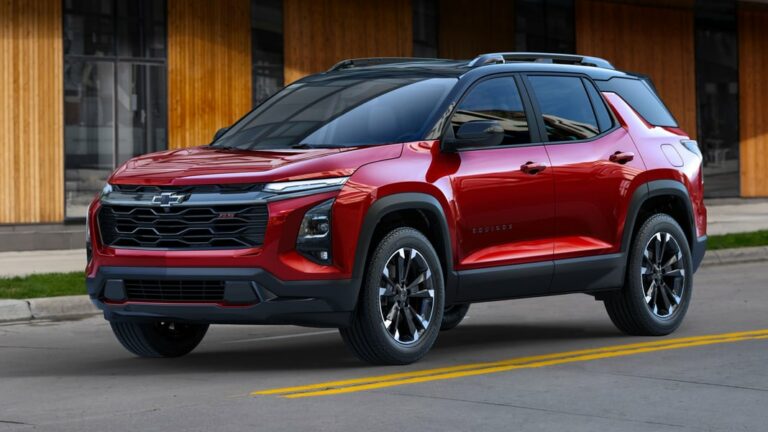
The 2028 Chevrolet Blazer EV boasts a futuristic and sleek design that sets it apart from its predecessors, combining modernity with classic elements to create a visually appealing vehicle.
Exterior Design
The exterior of the 2028 Chevrolet Blazer EV features sharp lines and bold curves, giving it a dynamic and sporty appearance. The front grille is redesigned to be more aerodynamic, enhancing the overall efficiency of the vehicle. LED headlights and taillights provide a sophisticated touch while improving visibility on the road. The overall silhouette of the Blazer EV is more streamlined, contributing to its futuristic look.
Interior Design
Step inside the 2028 Chevrolet Blazer EV, and you’ll be greeted by a spacious and luxurious interior. The cabin is crafted with premium materials, such as leather and wood accents, creating a refined atmosphere. The dashboard is equipped with a large touchscreen display that seamlessly integrates with the vehicle’s infotainment system. Comfort is prioritized with ergonomic seats and ample legroom for both the driver and passengers.
Aesthetic Choices
Chevrolet has made bold aesthetic choices with the 2028 Blazer EV, opting for a more modern and tech-savvy approach. The use of vibrant color options and contrasting accents adds a pop of personality to the vehicle. The designers have paid attention to detail, from the stitching on the seats to the placement of the controls, creating a cohesive and visually appealing interior and exterior.
Overall, the design of the 2028 Chevrolet Blazer EV is a harmonious blend of innovation and sophistication, making it a standout choice in the electric SUV market.
Environmental Impact and Sustainability

Electric vehicles like the 2028 Chevrolet Blazer EV play a crucial role in promoting sustainability and reducing the environmental impact of transportation. These vehicles are designed with a focus on eco-friendly initiatives, making them a greener alternative to traditional gas-powered cars.
Sustainability Initiatives in the 2028 Chevrolet Blazer EV
The 2028 Chevrolet Blazer EV incorporates various sustainability initiatives to minimize its carbon footprint. One of the key features is the use of recycled materials in the vehicle’s construction, reducing waste and promoting a circular economy. Additionally, Chevrolet has implemented energy-efficient manufacturing processes to reduce energy consumption during production.
Environmental Benefits of Driving an Electric Vehicle
Driving an electric vehicle like the 2028 Chevrolet Blazer EV offers numerous environmental benefits. These vehicles produce zero tailpipe emissions, contributing to cleaner air and lower greenhouse gas emissions. By transitioning to electric vehicles, drivers can help combat climate change and reduce their overall environmental impact.
Chevrolet’s Contribution to a Greener Future
Chevrolet is committed to building a sustainable future, and the release of the 2028 Blazer EV is a significant step towards achieving this goal. By offering an electric SUV with advanced technology and eco-friendly features, Chevrolet is paving the way for a greener automotive industry. Through continuous innovation and a focus on sustainability, Chevrolet is playing a vital role in creating a more environmentally friendly transportation sector.
FAQ Summary
What makes the 2028 Chevrolet Blazer EV stand out in the electric vehicle market?
The 2028 Chevrolet Blazer EV is set to redefine the standards of electric SUVs with its advanced technology, stunning design, and commitment to sustainability.
How does the technology in the 2028 Chevrolet Blazer EV enhance performance?
The advanced technology integrated into the 2028 Chevrolet Blazer EV enhances performance by increasing efficiency and improving overall driving experience.
What environmental benefits come with driving the 2028 Chevrolet Blazer EV?
Driving the 2028 Chevrolet Blazer EV contributes to a greener future by reducing emissions and promoting sustainability in the automotive industry.